
custom bathroom mirrors
Understanding the Standard Dial Bore Gauge An Essential Tool for Precision Measurement In the realm of manufacturing and engineering, precision is paramount. One of the key instruments that facilitate accurate measurements within cylindrical objects — such as holes and bores — is the standard dial bore gauge. This article delves into the features, applications, and advantages of using a dial bore gauge in various industries. What is a Dial Bore Gauge? A dial bore gauge is a specialized measuring instrument used to assess the internal diameter of a cylindrical workpiece. Unlike traditional calipers, which measure external dimensions, dial bore gauges are designed to fit into the bore of the part to deliver precise readings. This instrument typically consists of a dial indicator mounted on a shaft, equipped with internal measuring arms that can expand and contract to measure different diameters. Structure and Components The basic structure of a standard dial bore gauge includes the following components 1. Dial Indicator The dial is the most crucial part, displaying measurement readings in either metric or imperial units. The needle on the dial moves in response to changes in bore diameter. 2. Measuring Arms These are the extendable parts of the gauge that contact the inner wall of the bore. They can be adjusted to achieve a secure fit, allowing the gauge to be reliable even in varied conditions. 3. Calibration Rod Frequently found in higher-end models, calibration rods ensure the bore gauge is set to proper standards before measurements are taken. 4. Handle and Gauge Body These provide maneuverability and stability while measuring, ensuring consistent results. How to Use a Dial Bore Gauge Using a dial bore gauge accurately requires a systematic approach 1. Preparation Ensure the gauge is calibrated and clean. Any debris in the bore can lead to inaccurate measurements. 2. Insertion Carefully insert the gauge into the bore until the measuring arms gently touch the inner surface. 3. Adjustment Adjust the measuring arms to ensure they are snug against the wall of the bore. This is crucial for obtaining an accurate reading. standard dial bore gauge 4. Reading Measurement Observe the dial indicator to read the measurement, which reflects the diameter at that specific point in the bore. For enhanced accuracy, measurements can be taken at various points along the bore. 5. Documentation Record the measurements for quality control and further analysis . Applications of Dial Bore Gauges Dial bore gauges are invaluable across several industries, including - Automotive In manufacturing engine blocks and other components, ensuring that bores meet precise specifications is critical for performance and safety. - Aerospace Components in aircraft must adhere to strict quality standards, making the dial bore gauge an essential tool for quality assurance. - Manufacturing Many other types of machinery and equipment require precise internal measurements to maintain functionality and ensure the interchangeability of parts. Advantages of Using Dial Bore Gauges The dial bore gauge offers several advantages that make it a favored choice among engineers and machinists 1. Precision The design allows for high accuracy in measurements, which is crucial for quality assurance in engineering projects. 2. Ease of Use While calibration and setup are required, the actual usage of a dial bore gauge can be relatively straightforward for trained personnel. 3. Portability Most dial bore gauges are compact and easy to transport, facilitating measurements on-site or in diverse work environments. 4. Durability Typically made from robust materials, these gauges can withstand the rigors of a machine shop without losing their accuracy over time. 5. Versatility Suitable for various applications and industries, the dial bore gauge can adapt to different sizes and types of bores. Conclusion In conclusion, the standard dial bore gauge is an indispensable tool in the world of precision measurement. With its ease of use, accuracy, and versatility, it empowers engineers and machinists to maintain the high standards required in modern manufacturing. As technologies advance and the demand for precision increases, the dial bore gauge will undoubtedly continue to play a critical role in the industry, ensuring that every bore meets the stringent specifications necessary for today’s complex machines.
about
custom bathroom mirrors
The Importance of Large Granite Surface Plates in Precision Measurement In the realm of manufacturing and engineering, precision is paramount. Whether it’s in the crafting of intricate components or the assembly of complex systems, the accuracy of measurements directly influences the overall quality and efficacy of the end product. One essential tool that has gained prominence in ensuring precision is the large granite surface plate. This article delves into the characteristics, uses, and benefits of large granite surface plates in various industrial applications. What is a Granite Surface Plate? A granite surface plate is a flat, solid slab made from fine-grained granite, designed to provide a stable and accurate surface for measuring, marking, and inspecting workpieces. The material's unique properties—such as rigidity, stability, and resistance to wear—make granite an ideal choice for creating a surface plate. Large granite surface plates typically measure several feet in length and width, allowing for the placement of sizeable components and machinery. Characteristics of Large Granite Surface Plates 1. Flatness and Accuracy The most significant attribute of a granite surface plate is its exceptional flatness. These plates are usually manufactured to meet stringent tolerances, ensuring a measurement accuracy that is crucial for high-precision tasks. 2. Durability Granite is a robust material that can withstand the rigors of workshop environments. It is highly resistant to scratches, dents, and thermal expansion, which helps maintain its flatness over time. 3. Non-Absorbent Unlike wooden or metal surfaces, granite doesn't absorb liquids, oils, or other contaminants. This property is vital for ensuring the integrity of measurements and reducing the risk of errors caused by environmental factors. 4. Stability Granite’s natural stability minimizes the effects of temperature fluctuations. It remains inert under varying conditions, making it reliable for precision tasks. Applications of Large Granite Surface Plates Large granite surface plates find application in various fields, including large granite surface plate 1. Manufacturing They are often utilized in machining and fabrication plants for measuring and inspecting finished products and components, ensuring they meet the required specifications. 2. Quality Control In quality assurance departments, granite surface plates serve as the standard reference for measuring instruments. Technicians can assess the accuracy of calipers, gauges, and other tools by comparing them against the flat surface. 3. Tool Calibration Granite surface plates play a critical role in the calibration of tools and machines, ensuring they operate within acceptable parameters and produce accurate results. 4. Research and Development In laboratories and research facilities, large granite surface plates are employed for precise measurements and experiments, especially in fields such as metrology and materials testing. Benefits of Using Large Granite Surface Plates 1. Increased Accuracy The inherent flatness and stability of granite surface plates contribute to more accurate measurements, ultimately leading to improved product quality and consistency. 2. Cost-Effectiveness While the initial investment in a granite surface plate may be substantial, its durability and longevity mean that it often results in significant savings over time. Reduced wear and tear on measuring equipment also contribute to lower maintenance costs. 3. Versatility Large granite surface plates can accommodate a wide range of applications, making them integral to various industrial workflows. Their adaptability means they can be utilized in different settings, including workshops, laboratories, and quality control departments. 4. Ease of Use The smooth, non-porous surface of granite makes it easy to maintain and clean, ensuring that it remains a reliable measuring standard without the complications associated with other materials. Conclusion In conclusion, large granite surface plates are invaluable tools in the pursuit of precision in manufacturing and engineering. Their unique properties, versatility, and long-term cost-effectiveness make them a staple in various industrial applications. As technology continues to advance, the importance of maintaining high standards of accuracy will only grow, solidifying the role of granite surface plates in ensuring the success and quality of modern manufacturing processes. Investing in a large granite surface plate is, therefore, not merely a choice but a strategic decision for quality-oriented businesses.
-

High quality industrial productsagement

High quality industrial products
View Details -

Meet the diverse needs of customers

Meet the diverse needs of customers
View Details -

Strict quality control

Strict quality control
View Details -

Top raw materials

Top raw materials
View Details -

Trusted supplier

Trusted supplier
View Details
Our application




news and information
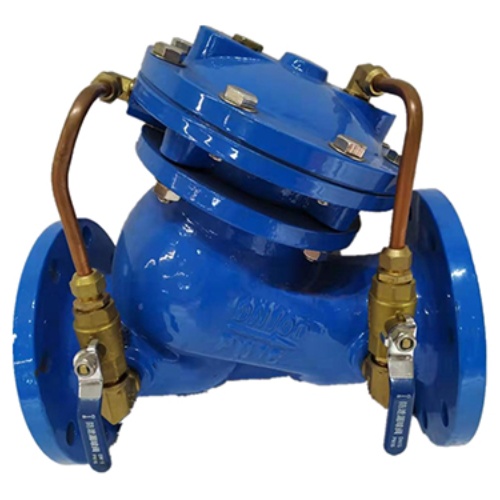
Water Pressure Regulation Valve Efficient Flow Control System
Understanding Water Pressure Control Valves A Key Component in Efficient Plumbing Systems In the in
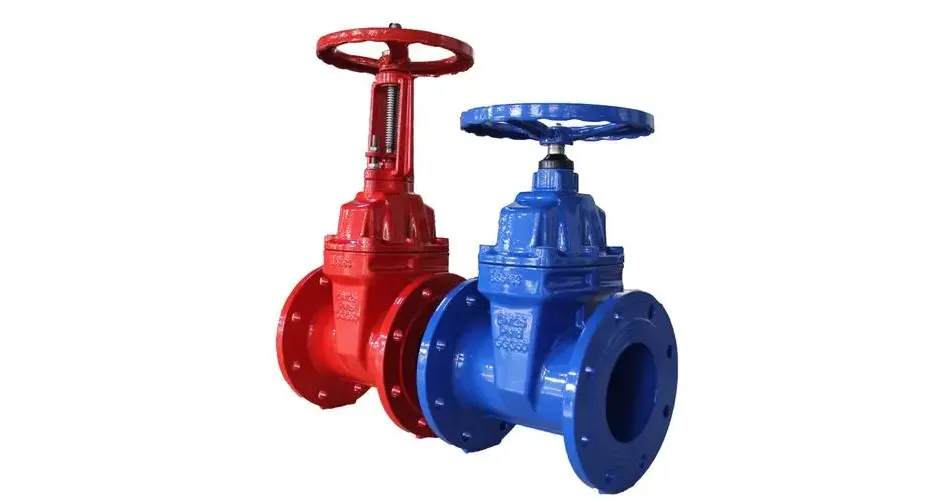
Vannventil for kontroll av vannstrøm og trykkregulering
Vannventilens Rolle i Vannfordeling Vann er en av de mest essensielle ressursene på jorden, og forva
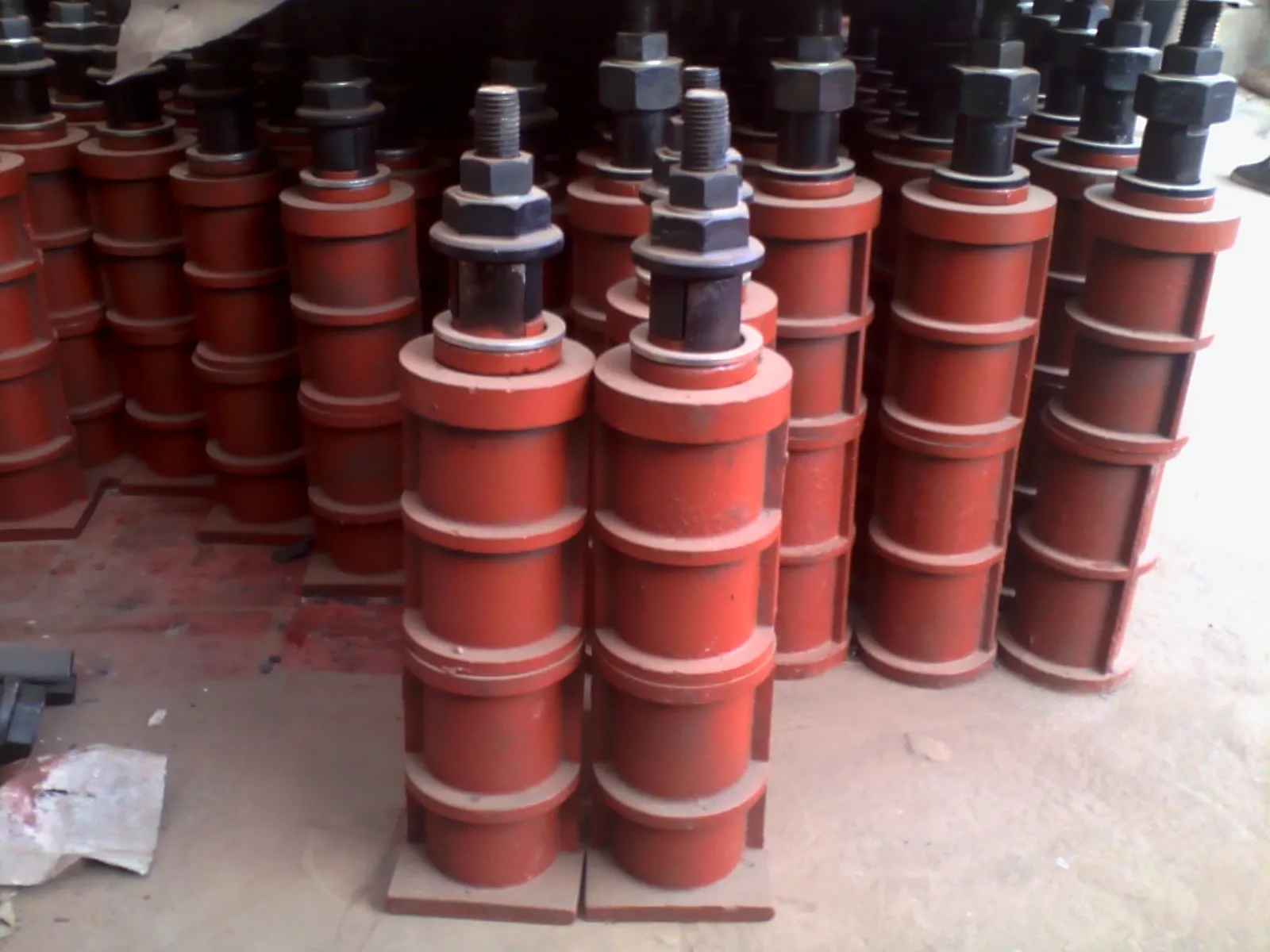
Wood Fence Post Caps Enhance Your Outdoor Space with Stylish and Durable Options for Fencing
The Importance and Aesthetic Appeal of Wood Fence Post Caps Fencing has long been an essential compo
 English